Every Moment Deserves the Right Atmosphere
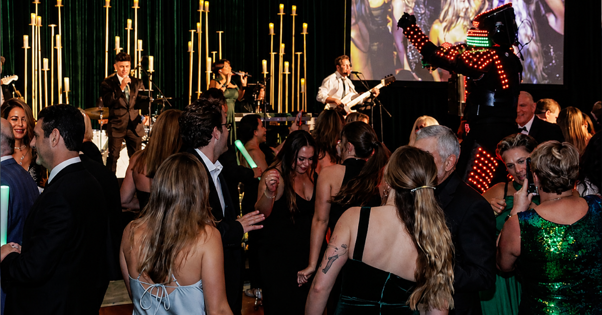
Every couple wants their wedding to feel special, but what guests remember most is how the day made them feel. The right music helps create those memories from the very beginning. That is why we believe live wedding music is about much more than entertainment. It creates the atmosphere for every smile, every conversation, and every celebration. At Jordan Music Entertainment, we have seen how the right performance can turn a beautiful wedding into an unforgettable experience. When every part of the day flows naturally, guests stay connected from the ceremony until the final song.
It Starts Before the First Dance
Many people think the reception is where the excitement begins, but we see it differently. The mood starts building as soon as guests arrive. They greet family, find their seats, and wait for one of the biggest moments of your life.
As the celebration continues, every transition should feel comfortable instead of rushed. During dinner, the music should encourage conversation while keeping the energy warm and welcoming. Later in the evening, the pace naturally changes as everyone gathers to celebrate together. Well-planned reception music makes those changes feel smooth instead of sudden.
Our goal is never to rush the evening. We guide the celebration so every important moment receives the attention it deserves.
Music Brings People Together
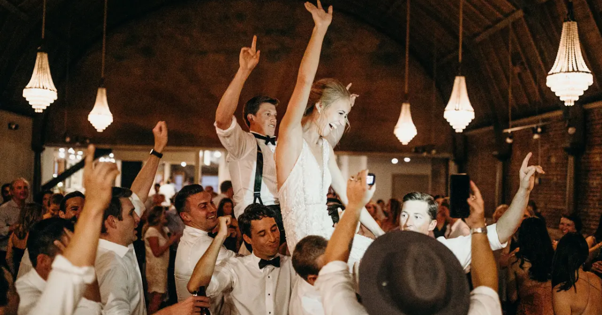
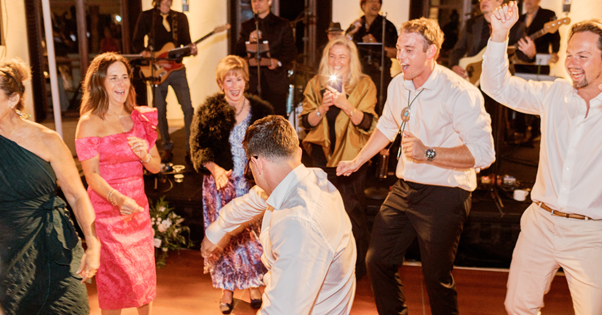
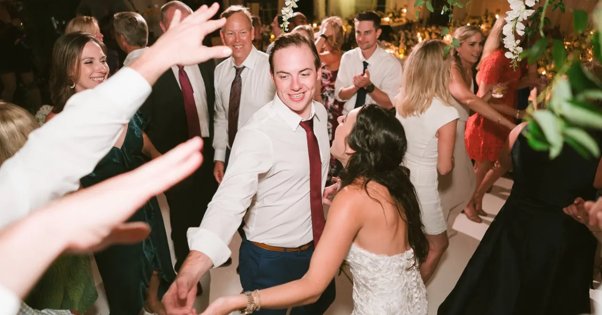
One of the best parts of any wedding is seeing people of all ages enjoying the same celebration. Grandparents, parents, close friends, and younger guests all share the dance floor in their own way.
That happens when the music has been carefully planned instead of chosen at random.
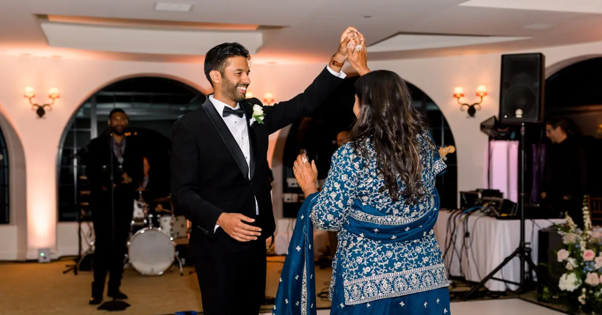
We work closely with every couple before the wedding. Together, we choose songs from our curated list and learn up to two special songs for meaningful moments like the first dance or a parent dance. This keeps the performance personal while making sure the entire evening stays organized.
The same approach applies to wedding ceremony music. Whether you choose a piano and violin, a string quartet, or an acoustic performance, the music should reflect your style while allowing the ceremony to remain the focus.
Simple Ways to Plan a Better Celebration
Planning your music early makes the entire wedding easier to enjoy. Here are a few things we always encourage couples to do.
Our Suggestions
- Book your entertainment well in advance.
- Think about the full timeline instead of individual songs.
- Choose music that reflects your personality.
- Plan your entrances and special dances early.
- Leave enough time for speeches without interrupting the celebration.
- Trust your entertainment team to guide the flow of the evening.
These simple decisions make a big difference on the wedding day. Instead of worrying about what happens next, you can stay present and enjoy every moment with the people who matter most.
What We Always Recommend
Every wedding is different, but one thing never changes. A clear plan creates a better experience.
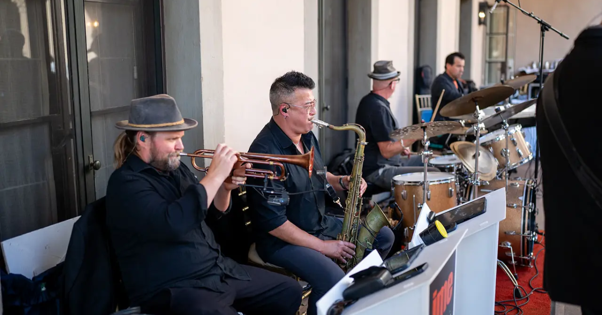
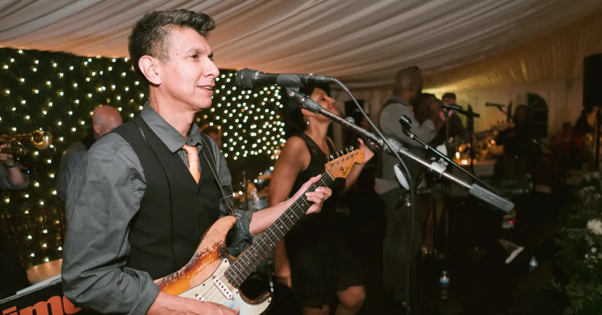
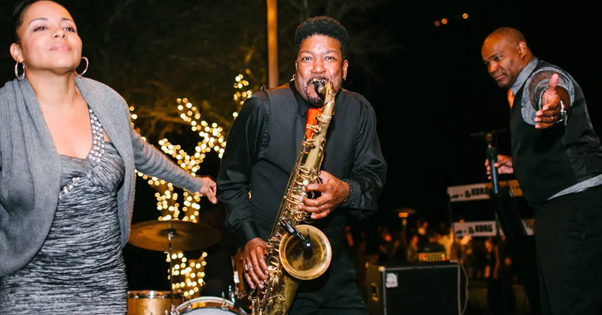
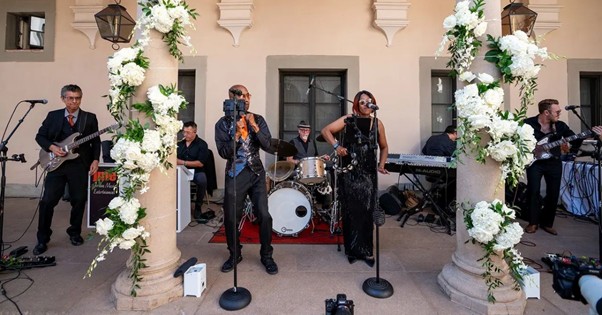
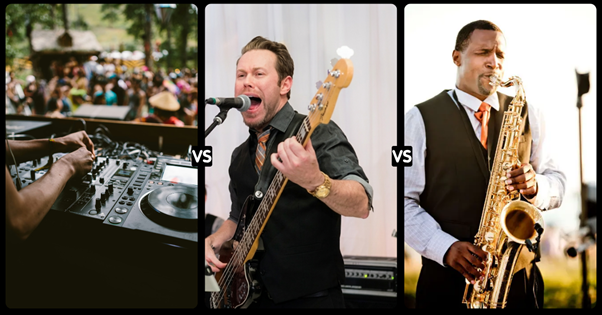
At Jordan Music Entertainment, our band N’Demand performs as one complete group throughout the reception. Whether you choose six musicians or a larger lineup, the performance remains polished from beginning to end. Our singers are known for delivering performances that sound remarkably close to the original artists while adding their own live style, giving every song a familiar feel without becoming an imitation.
Our lead singer also serves as the MC, helping guide introductions, announcements, and other important moments. This keeps the evening moving naturally while allowing you to focus on celebrating with your guests instead of watching the clock.
Professional wedding entertainment is about preparation just as much as performance. When everything has been planned ahead of time, the celebration feels relaxed for everyone involved.
Why Couples Book Early
One piece of advice we share with every couple is to start planning sooner rather than later.
Many popular wedding dates are reserved eight to twelve months in advance. Booking early gives you more choices and enough time to plan every detail without unnecessary pressure.
It also gives us time to understand your vision. From selecting songs to organizing your timeline, every conversation helps us create an experience that feels personal to you.
Our job is not simply to perform. It is to help create a celebration that feels natural from beginning to end.
Frequently Asked Questions
1. Why do weddings with live bands often feel more personal?
A live performance responds to the atmosphere of the room while following a carefully planned timeline, making every important moment feel more meaningful.
2. Should we choose songs before booking our band?
No. Booking early secures your date first, then there is plenty of time to select the songs that fit your celebration.
3. Can one band keep guests of different ages engaged?
Yes. A well-planned performance includes songs that connect with different generations while maintaining a consistent flow throughout the evening.
4. Why does planning music early reduce wedding stress?
Early planning gives you time to make thoughtful decisions instead of rushing through important details during the final weeks before your wedding.
5. What makes a professional performance feel different?
Experienced live musicians know how to maintain the right atmosphere throughout the event, making each part of the celebration feel connected instead of separate.
Final Remarks
Your wedding deserves more than great songs. It deserves a celebration that feels effortless from the first guest arrival to the last dance. At Jordan Music Entertainment, we work with you to create that experience through careful planning, professional performances, and the energy of N’Demand. If you want every moment of your wedding to feel memorable for all the right reasons, we would be proud to help you bring your vision to life.